
You watch sports every weekend, but you probably never traced how any of it started. The history of sports stretches back thousands of years, long before stadiums, contracts, or television deals existed. Understanding that path helps you appreciate why today’s games look and feel the way they do.
Origins Of The History Of Sports
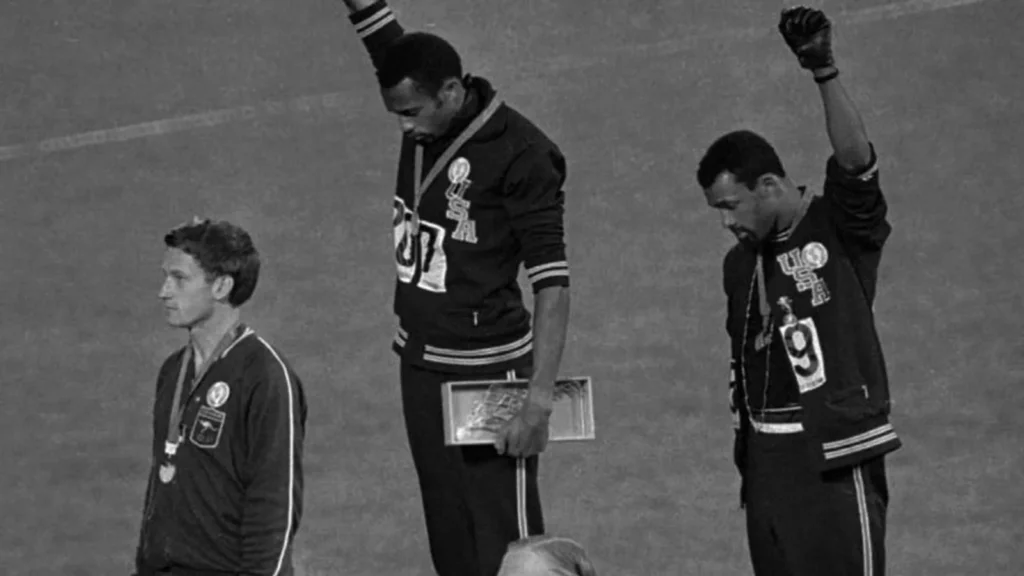
You can trace organized competition back to ancient civilizations that used physical contests to settle disputes and honor their gods. Early Olympic games in Greece rewarded athletes with fame instead of money, a stark contrast to modern sports culture. Wrestling, running, and combat events dominated early competitions because they tested raw survival skills. These origins remind you that sports began as a way to prove strength within a community, not as entertainment.
How Sports Evolved Through The Centuries
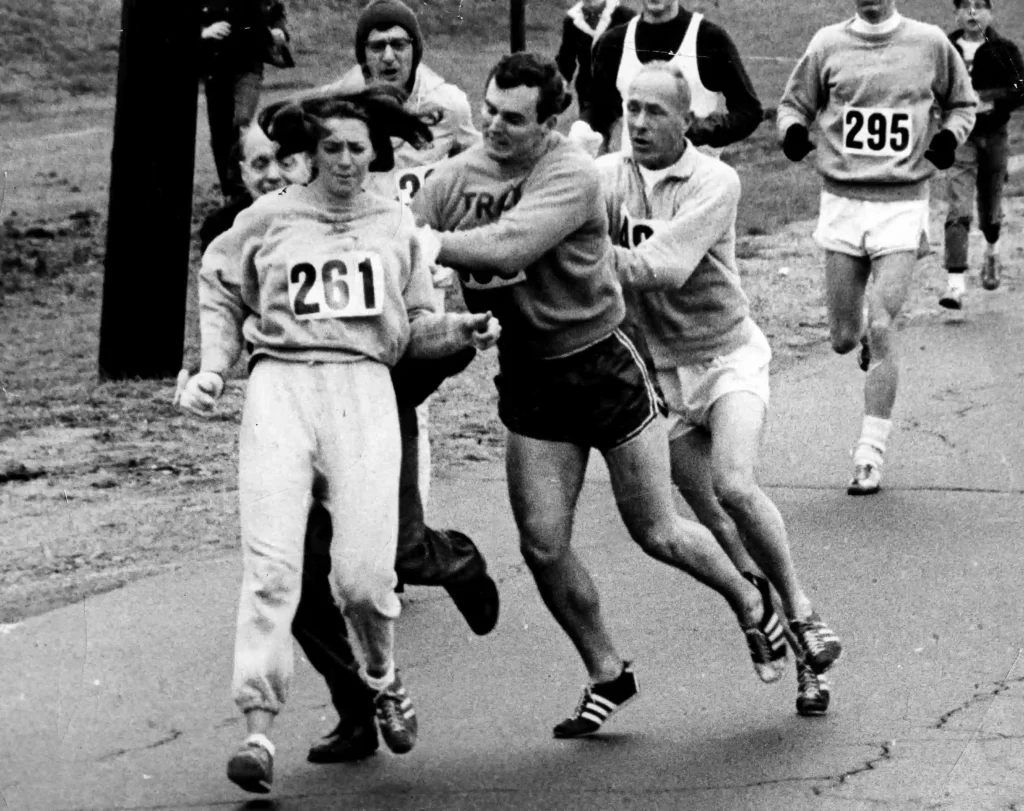
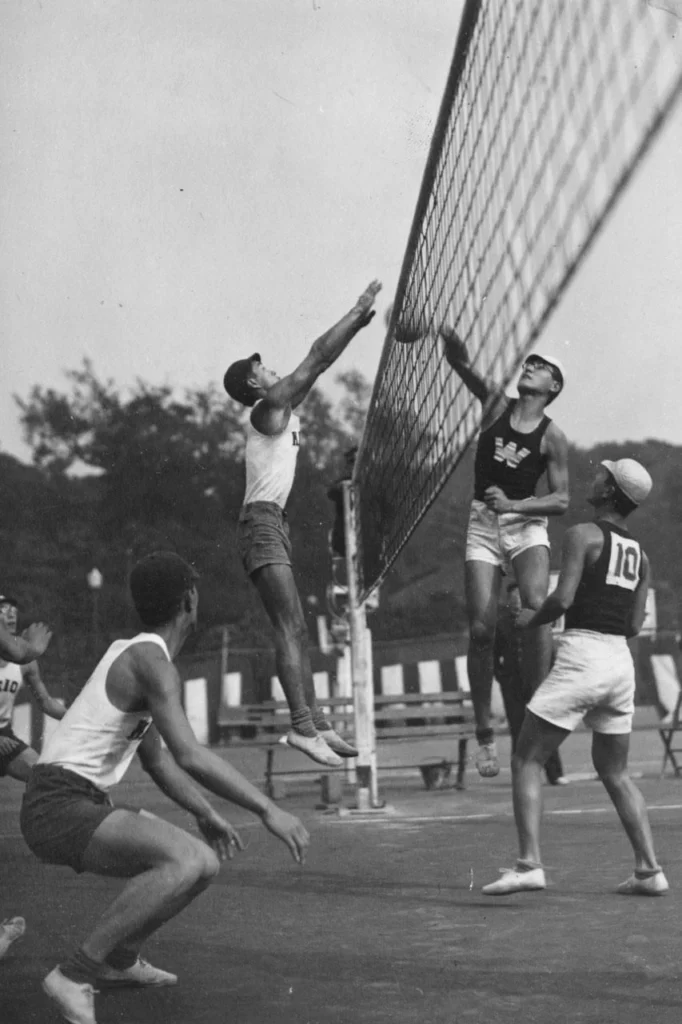
You would barely recognize medieval sporting events compared to what you watch today. Rules stayed loose for centuries, often varying from village to village until formal governing bodies stepped in. The industrial era changed everything, since factory schedules created structured free time that people filled with organized leagues. Once written rules and referees entered the picture, sports started resembling the organized competitions you follow now.
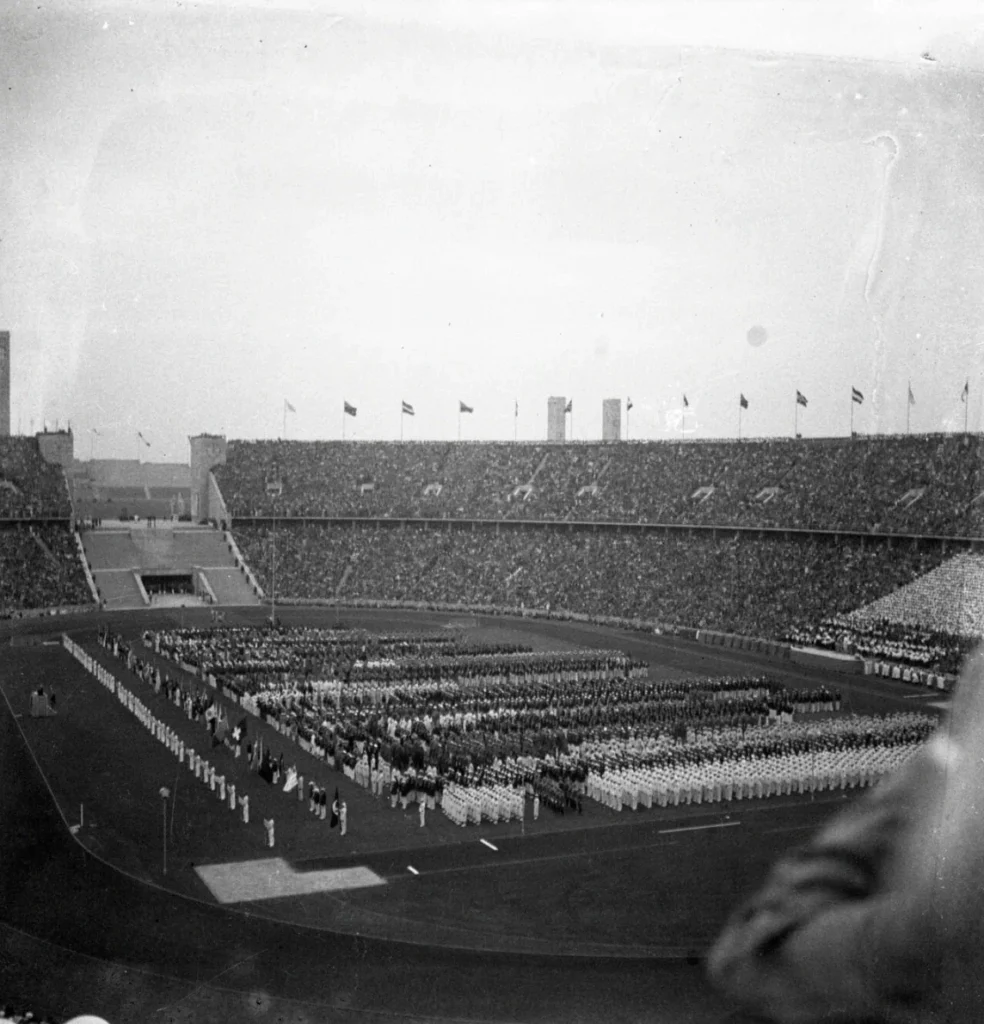
Modern Sports And What Comes Next
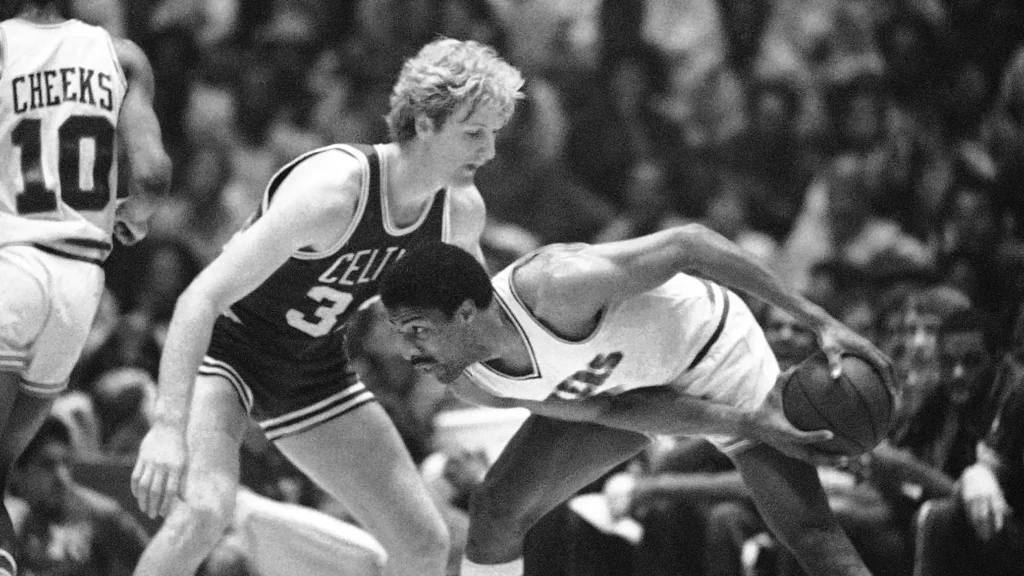
You now watch a sports industry built on broadcasting deals, global fan bases, and data driven training methods. Technology keeps reshaping how you experience the history of sports as it continues unfolding in real time. Instant replay, analytics, and streaming access have changed how you engage with every game you watch. Whatever comes next, from virtual reality broadcasts to new hybrid competitions, you can count on sports continuing to adapt the way they always have.